
Elk in Virginia:
How to See the Herd in Southwest Virginia
A Wildlife Comeback Story in the Heart of Appalachia
If you are looking for a truly unique outdoor wildlife experience in the eastern United States, elk viewing in Virginia belongs at the top of your list. Once completely absent from the state for more than a century, elk have made a remarkable return to the mountains of Southwest Virginia—creating one of the most inspiring conservation success stories in the region.
Today, visitors from across the country travel to the Heart of Appalachia to witness these majestic animals in the wild. What makes this experience even more special is not just the elk themselves, but the landscape they now call home.
The Return of Elk to Virginia:
A Conservation Success Story
Elk were once native to Virginia, roaming freely across the Appalachian Mountains. However, the last Virginia elk was killed in 1855, and the eastern subspecies was declared extinct across the East after 1877, lost to overharvesting and widespread habitat loss.
For more than 150 years, elk were gone from the landscape.
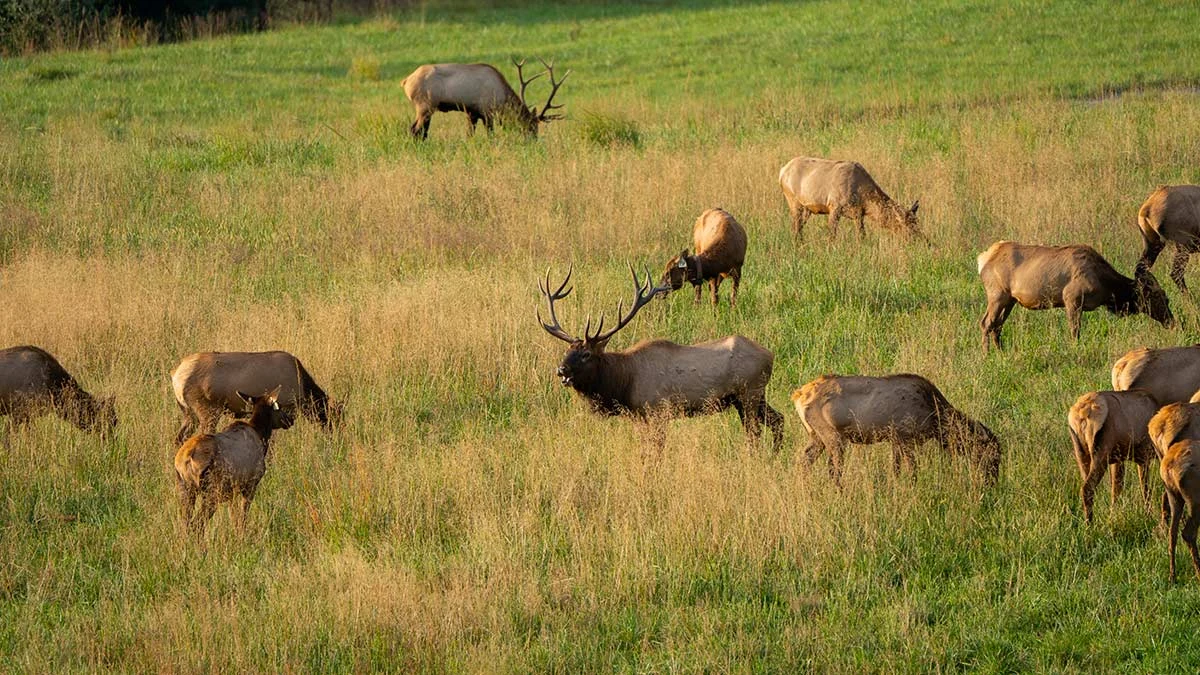
The regional comeback began in Kentucky, where 1,500 Rocky Mountain elk were released starting in 1997. In Virginia, the turning point came in 2012, when a historic restoration effort brought elk back to Southwest Virginia. Led by the Virginia Department of Wildlife Resources (DWR) in partnership with the Rocky Mountain Elk Foundation (RMEF) and a very few dedicated volunteers, elk were successfully reintroduced into Buchanan County.
This effort was not just about bringing back a species—it was about restoring balance to an ecosystem and creating new opportunities for wildlife tourism and rural economic development.
Today, elk in Virginia are carefully managed through science-based conservation practices, including habitat monitoring and a limited seasonal harvest designed to maintain herd health and sustainability.
What began as a bold vision has grown into one of the most celebrated wildlife restoration projects in the Appalachian region.
Where Elk Viewing in Virginia Happens Today
If you want the best chance at elk viewing in Virginia, there is one region that stands above all others: the Heart of Appalachia in Southwest Virginia, particularly Buchanan and Dickenson counties.
The majority of Virginia’s elk herd is found within and around the Breaks Interstate Park region, often referred to as the “Grand Canyon of the South.” This dramatic landscape of deep gorges, forested ridges, and reclaimed mining lands provides ideal habitat for elk to thrive.
Unlike traditional wildlife viewing areas where animals are hidden deep in dense forest, elk in this region often appear in open fields and ridge-top meadows, making sightings more accessible for visitors.
In addition to Breaks Interstate Park, elk can also be seen across:
Each area offers a slightly different viewing experience depending on terrain, weather, and season.
A Landscape Transformed:
From Mining Lands to Wildlife Habitat
One of the most powerful aspects of elk viewing in Virginia is the transformation of the land itself.
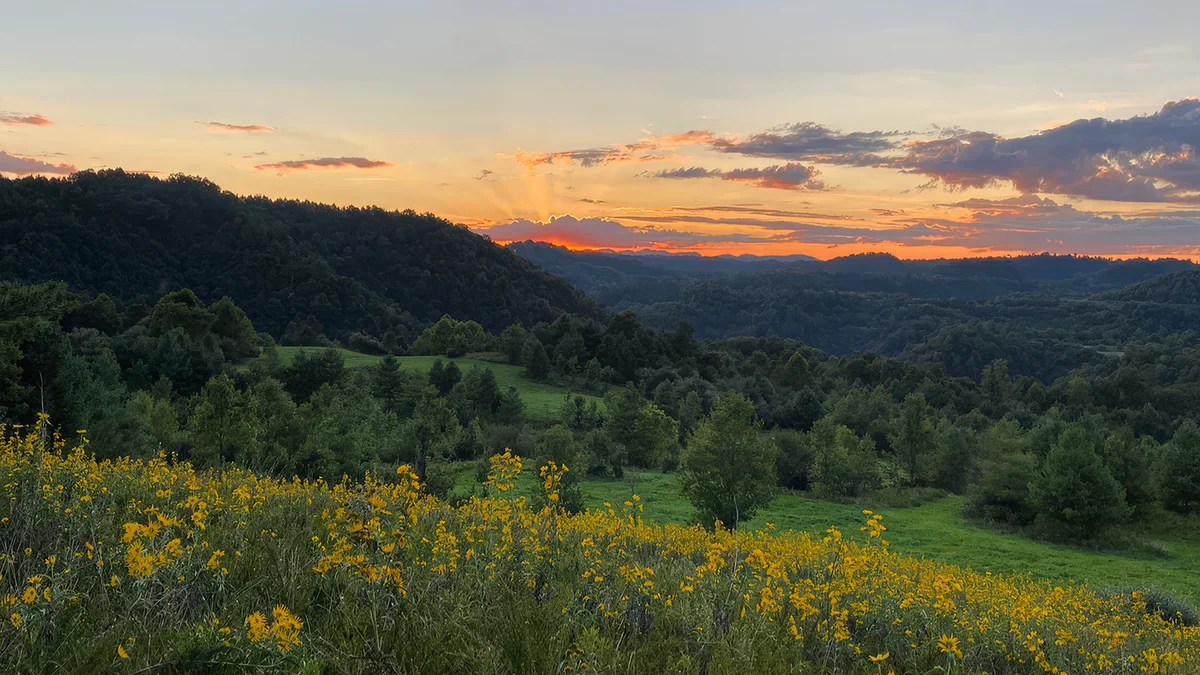
Much of the habitat where elk now roam was once affected by mountaintop removal mining. Through decades of reclamation and restoration, these areas have been transformed into rolling grasslands, forest edges, and open meadows.
Today, these landscapes resemble high-elevation plateaus—wide, green, and surprisingly open. For visitors, the contrast is striking. It is not uncommon to see elk grazing in areas that were once industrial sites now fully restored to natural function.
This transformation represents more than environmental recovery. It reflects a long-term commitment to stewardship, collaboration, and ecological balance in Southwest Virginia.
When and How to See Elk in Virginia
While elk are present year-round, timing plays a major role in successful viewing.
The best times for elk viewing in Virginia include:
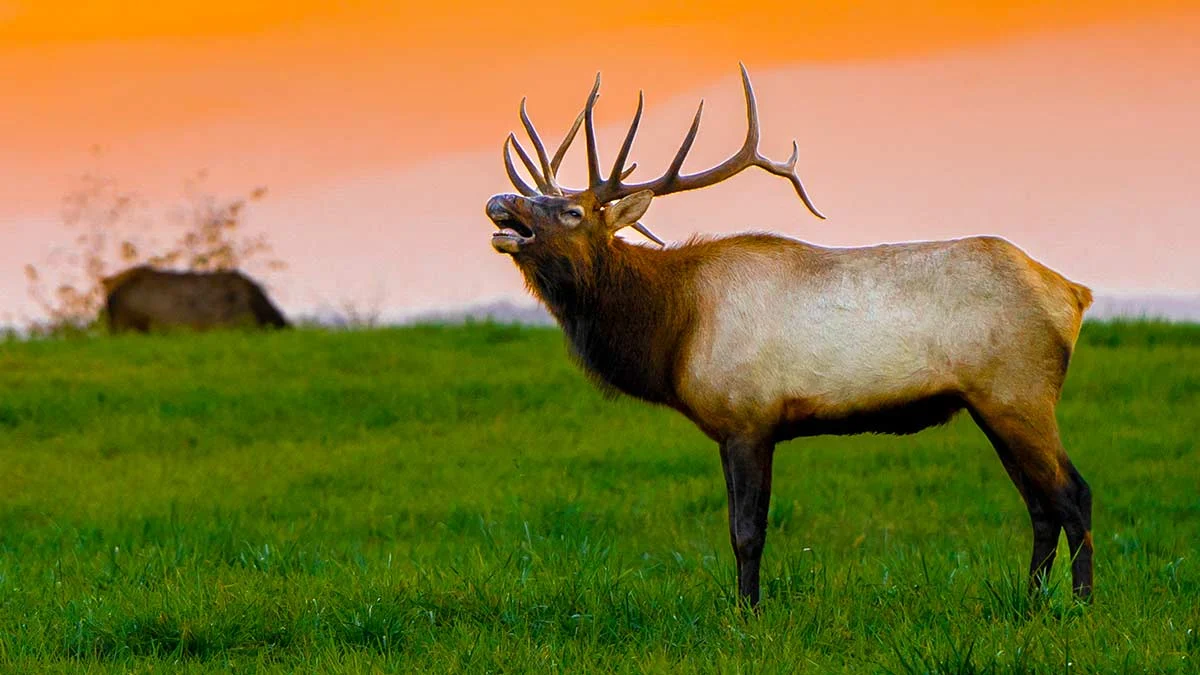
During these times, elk are more likely to move into fields and visible grazing areas. Fall is the standout season: during the September and October rut, bulls bugle to attract mates and challenge rivals, a haunting call that carries across the ridgelines.
Visitors should also understand that elk are wild animals and are not guaranteed at any specific location or time. Part of the experience is the anticipation—and the reward of a successful sighting.
For those wanting structured experiences, Breaks Interstate Park occasionally offers guided elk viewing programs depending on herd movement and seasonal conditions. These guided opportunities provide insight into elk behavior, habitat, and conservation efforts. For a truly signature evening, the Dine with the Elk sunset tour pairs elk viewing with a picnic-style dinner as the sun sets over the restoration zone.
For independent travelers, scenic driving routes throughout Buchanan and Dickenson counties offer excellent DIY elk viewing opportunities. Many sightings occur unexpectedly along rural roads, ridgelines, and reclaimed land corridors.
What Makes Elk Viewing in Virginia Unique
Elk viewing in Virginia stands apart from other wildlife experiences in the eastern United States for several reasons.
First, elk roamed many regions of Virginia, not all regions. Their home in these Southern Allegheny and Cumberland Mountains are the result of intentional conservation planning, partnerships with other states who successfully reintroduced elk, and many volunteer hours from a few dedicated individuals.
Second, the setting is unlike typical elk habitats found in western states. Instead of alpine forests or vast plains, Virginia’s elk live in a mix of Appalachian hardwood forests, reclaimed coalfields, and dramatic ridge-and-valley terrain.
This creates a viewing experience that feels both familiar and unexpected at the same time.
Conservation Partnerships Behind the Success
The success of elk restoration in Virginia is the result of collaboration across multiple organizations and communities.
Key partners include:
Together, these groups have created a sustainable framework that supports both wildlife health and public access. The project continues to evolve as habitat conditions are monitored and herd dynamics are studied to ensure long-term success.
Planning Your Trip
A successful elk viewing experience often comes down to preparation.
What to bring:
Cell service can vary in parts of Southwest Virginia, especially in mountainous or remote areas. Planning ahead and allowing extra time for travel is recommended.
Many visitors choose to pair elk viewing with nearby attractions such as zip lining the canyon at Breaks Interstate Park, hiking the many trails, live music, and local dining stops throughout Buchanan and Dickenson counties.
Responsible Viewing
As elk viewing in the Heart of Appalachia continues to grow in popularity, responsible tourism is essential to protecting both the animals and their habitat.
Visitors are encouraged to follow these best practices:
By following these guidelines, visitors help ensure that elk remain wild, healthy, and visible for future generations.
Frequently Asked Questions
Experience One of Virginia’s Greatest Wildlife Comebacks
The return of elk to Southwest Virginia is more than a conservation milestone—it is a living example of what long-term vision and collaboration can achieve. Today, elk viewing in Virginia offers visitors the rare opportunity to witness a restored species thriving in a landscape shaped by both history and renewal. From reclaimed coalfields to mountain meadows, elk have returned to a place many thought they would never see again.
And now, so can you.
Whether you are a wildlife enthusiast, photographer, or simply a traveler exploring the Heart of Appalachia, elk viewing in Virginia delivers an experience that is powerful, memorable, and uniquely Appalachian.
It is not just a sighting. It is a story—still unfolding in the mountains of Southwest Virginia.