

Paddling the Clinch River: A Beginner’s Guide
The most biodiverse river in North America — and it’s beginner-friendly
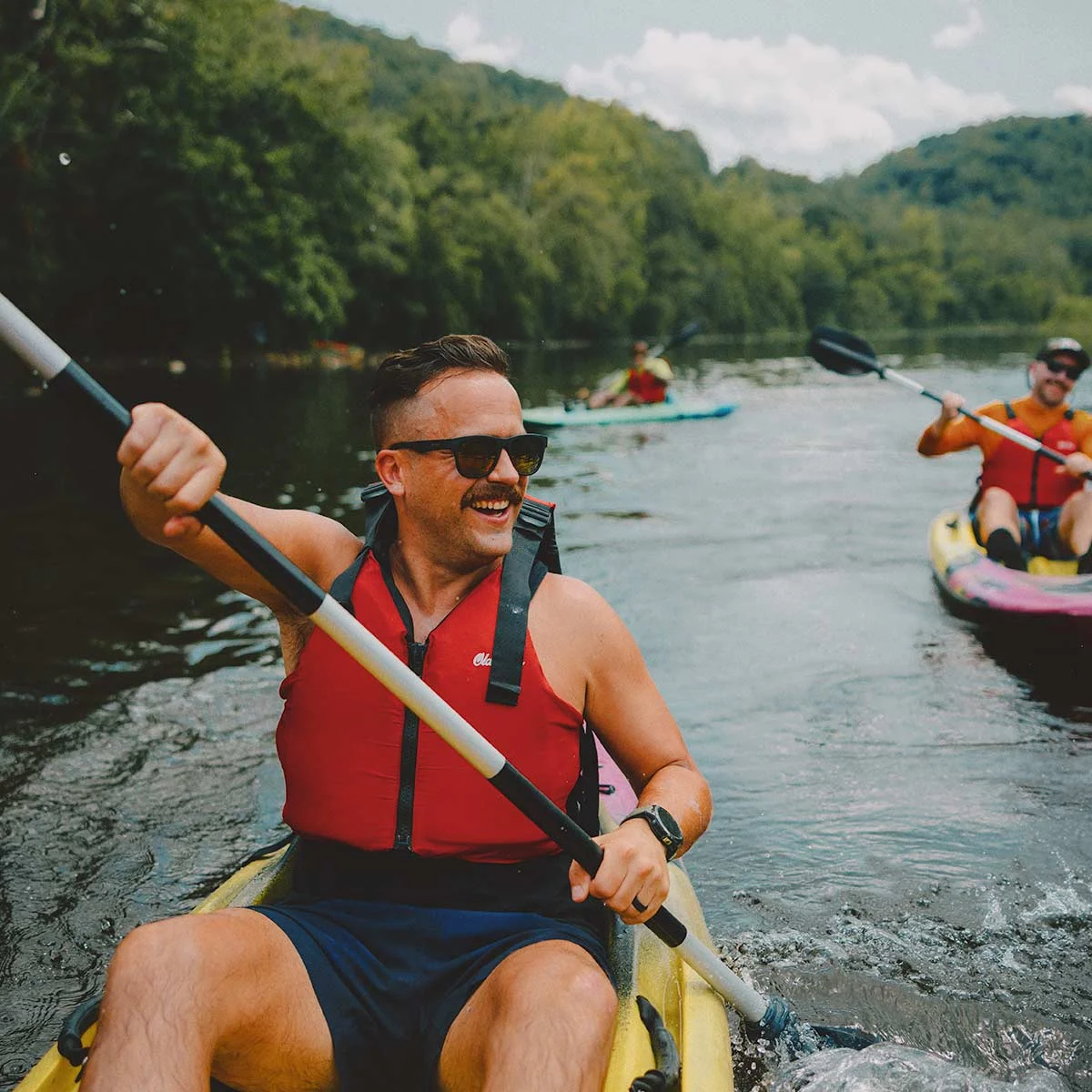
If there is one paddling experience that truly defines the Best of Virginia’s West, it is Clinch River kayaking. Winding through the Heart of Appalachia in Southwest Virginia, the Clinch River is not just a scenic waterway—it is one of the most ecologically important rivers in North America and a destination that blends adventure, relaxation, and natural wonder.
This is not a river that reveals itself all at once. It unfolds slowly—bend by bend, riffle by riffle, limestone cliff by limestone cliff—offering a paddling experience that is as peaceful as it is unforgettable.
For visitors seeking an authentic Appalachian outdoor experience, Clinch River kayaking delivers something rare: a river that is both accessible for beginners and rich enough in biodiversity to impress seasoned paddlers, biologists, and nature lovers alike.
Why Clinch River Kayaking Is So Special
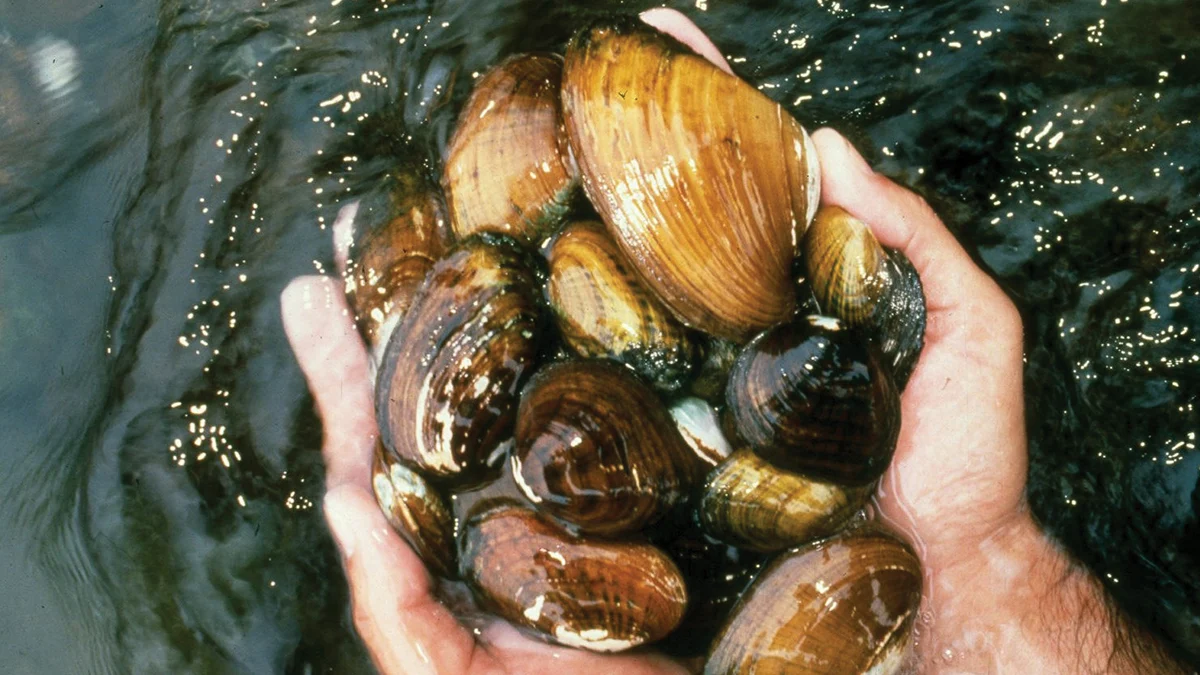
The Clinch River stands out because of its extraordinary ecological diversity. State biologists have long recognized it as one of the most biologically rich freshwater systems in the United States.
What does that mean for paddlers? It means every stretch of water is alive with complexity—beneath the surface and along the banks.
The Clinch River supports:
Unlike many rivers that are valued only for recreation or scenery, Clinch River kayaking offers something deeper: a chance to travel through a living laboratory of Appalachian biodiversity.
A River Built for All Skill Levels
One of the reasons Clinch River kayaking has become so popular is its accessibility.
The river features primarily Class I and Class II rapids, making it ideal for:
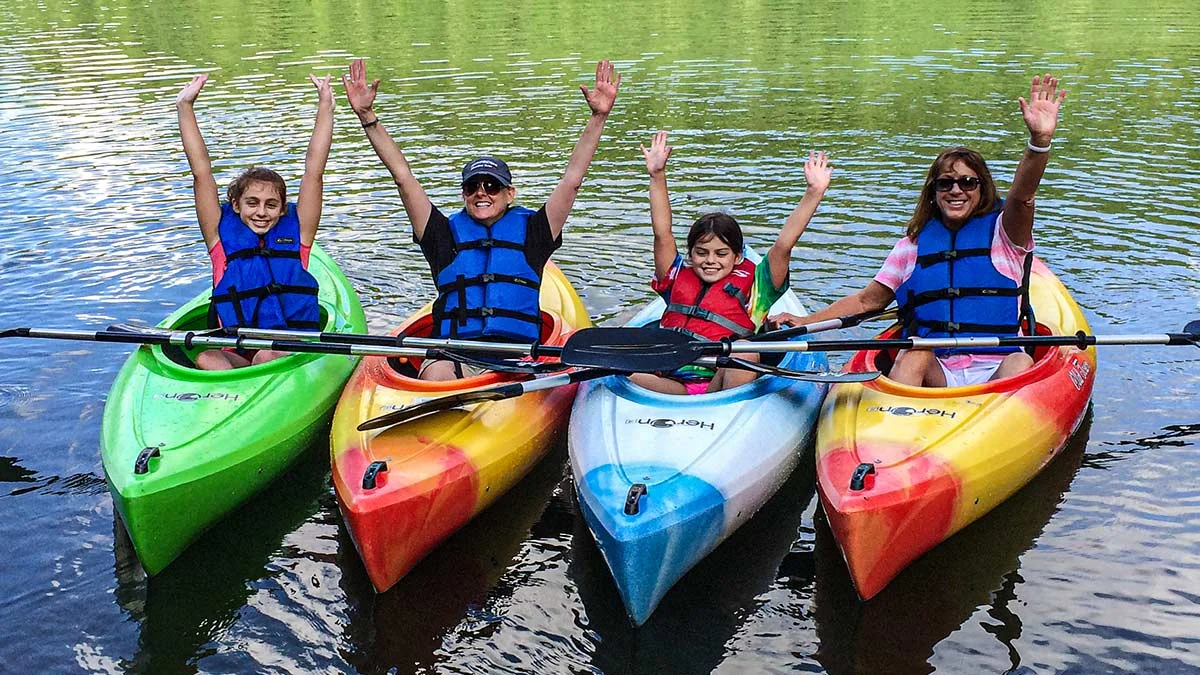
Most stretches of the Clinch are calm and steady, with occasional riffles that add just enough movement to keep the experience engaging without becoming technical.
This balance is what makes the river so unique—it is adventurous without being intimidating.
Scenic Beauty Around Every Bend
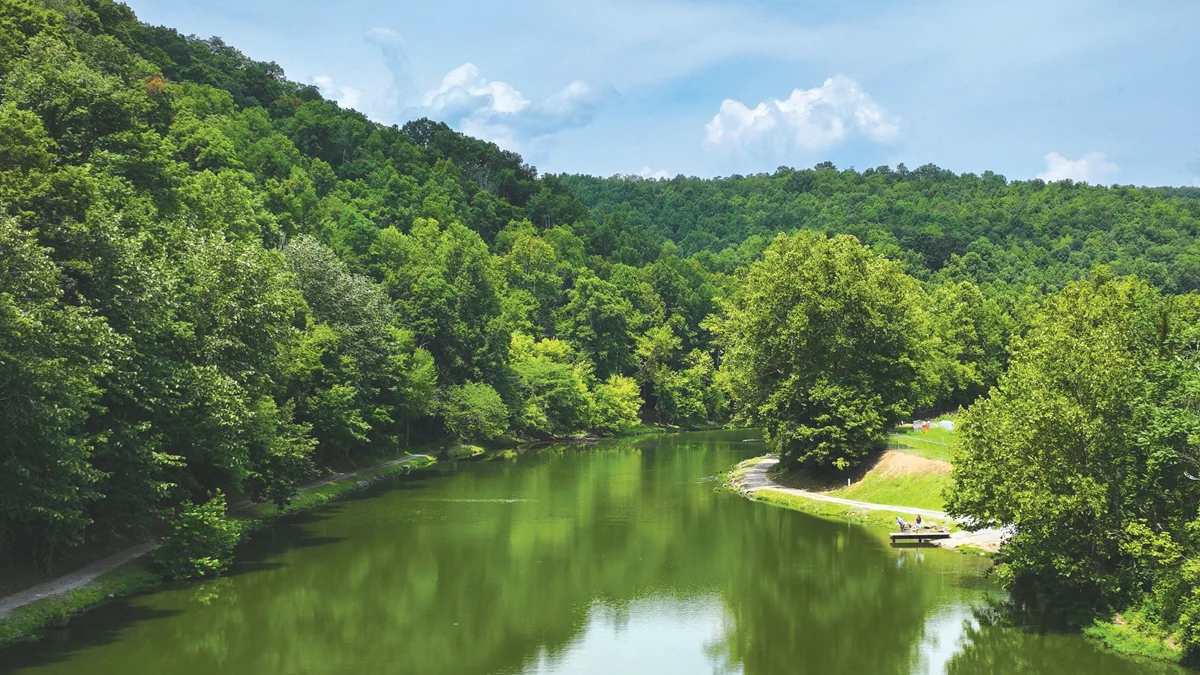
The landscape surrounding the Clinch River is classic Southwest Virginia: forested ridges, limestone formations, and quiet valleys that feel untouched by time.
As you paddle, you will encounter:
The water itself often has a glass-like clarity, especially in calmer sections, revealing underwater rock formations and aquatic life below.
Every bend offers a new perspective, making Clinch River kayaking a constantly changing visual experience.
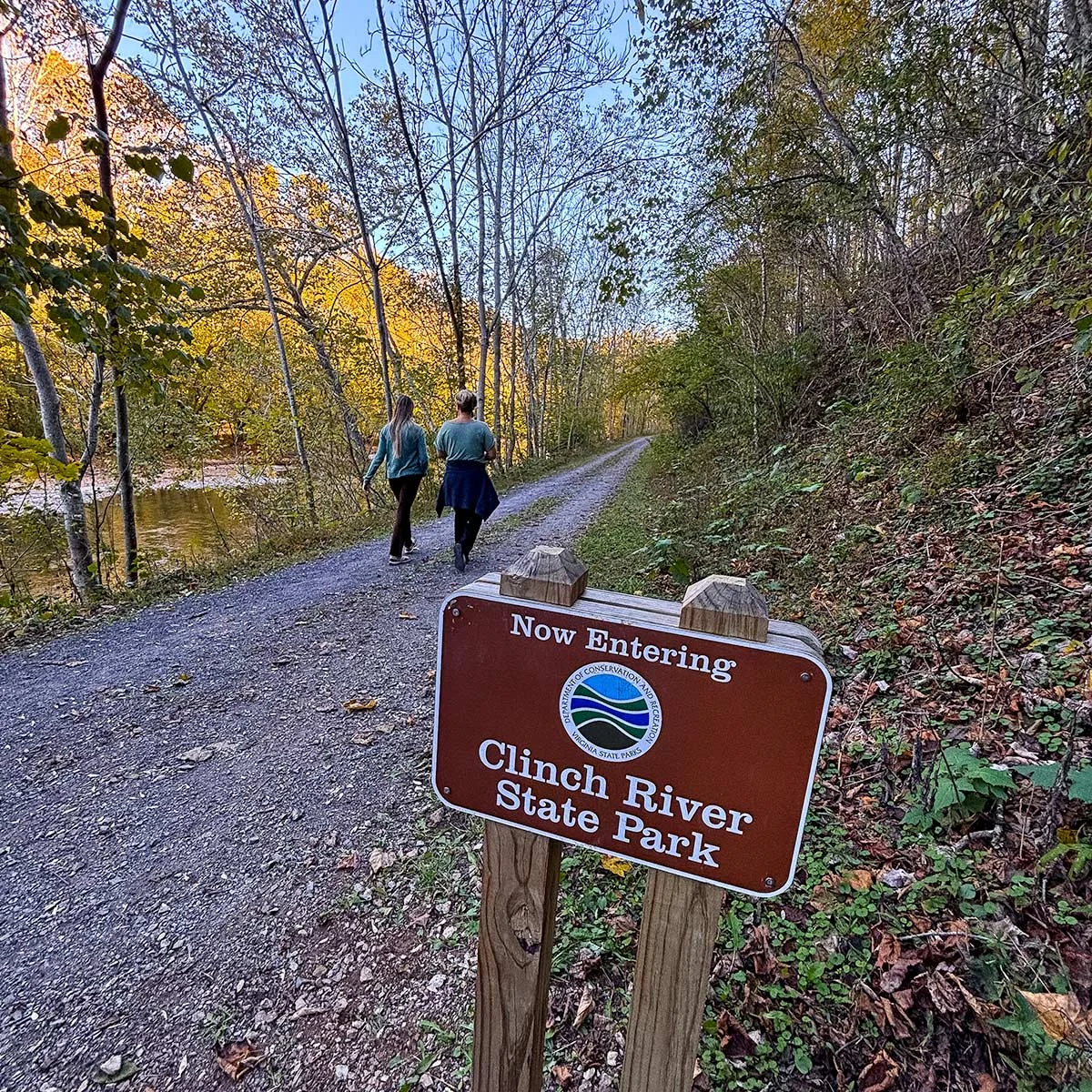
Clinch River State Park: A Gateway to the River
Much of the paddling experience connects with or is supported by Clinch River State Park, one of Virginia’s newest state parks dedicated to protecting and showcasing this remarkable waterway. This park, still being developed, will offer paddle-up camping along the river and various access points in Tazewell, Russell, and Wise Counties.
The park helps preserve access points, supports conservation efforts, and provides visitors with a gateway to explore the river responsibly. The Department of Conservation and Recreation works with The Nature Conservancy and state biologists to ensure that the river remains protected while providing great experiences to outdoor enthusiasts.
It also plays a key role in educating the public about the Clinch River’s ecological importance and long-term protection.
For many paddlers, Clinch River State Park is the starting point for understanding just how special this river truly is.
“River Treasure”: A Hidden Surprise Along the Banks
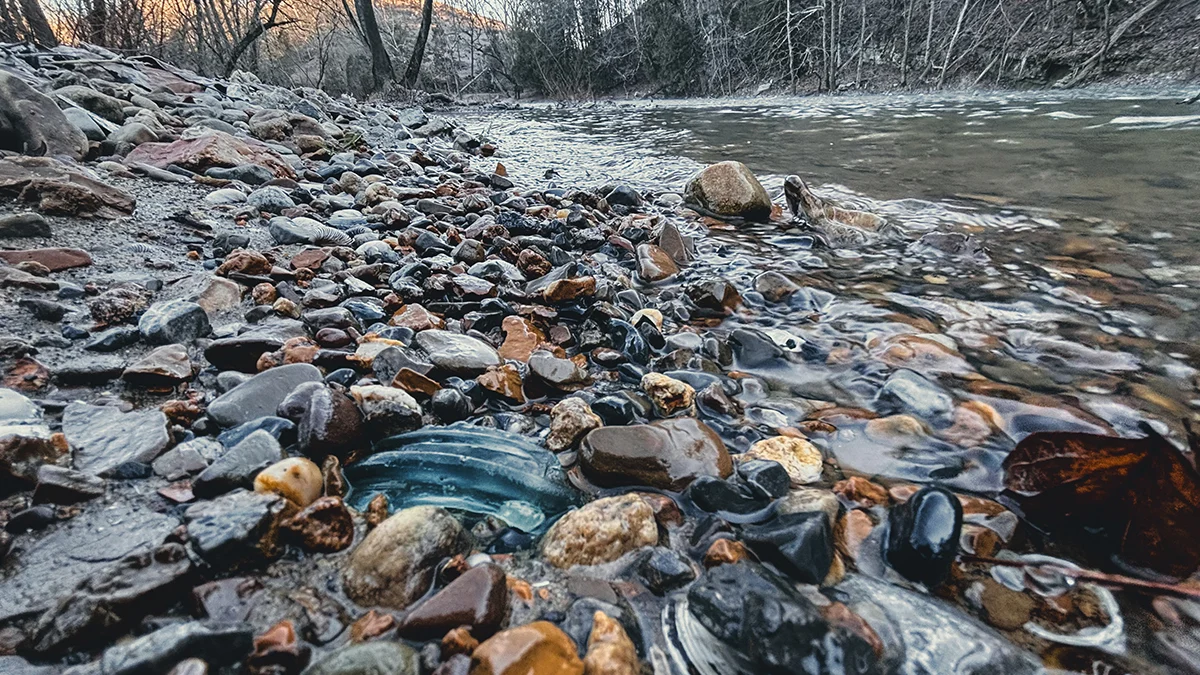
One of the more unexpected joys of Clinch River kayaking is what you may discover along the gravel bars.
Locals often refer to it as “river treasure.”
Over time, pieces of glass and other materials have been naturally tumbled smooth by the river’s flow, transforming into colorful, polished beach glass. Common finds include amber, clear, and green shards, with rare pieces in Ball Mason blue or jadite green.
Finding these small treasures along the shoreline has become a quiet tradition for paddlers. Even better, collecting them often means helping remove debris from the river while discovering something beautiful shaped by time and water.
It is a simple reminder that the Clinch River is not just a recreation space—it is a living system that benefits from care and stewardship.
Wildlife Above and Below the Surface
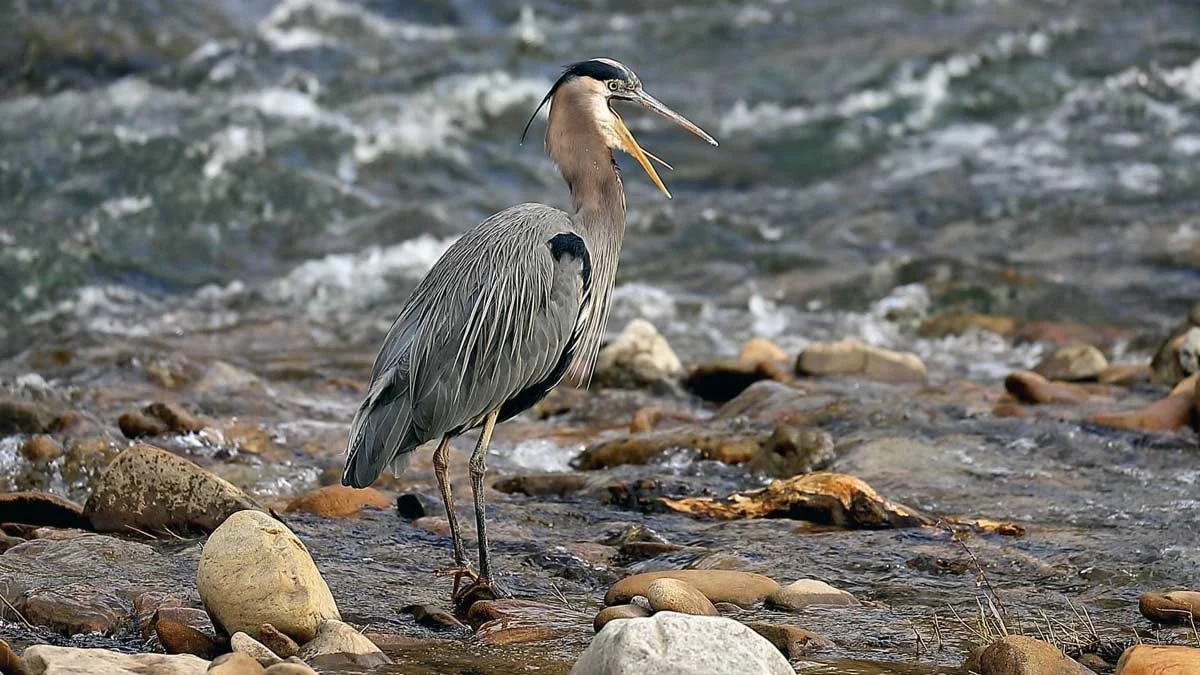
The Clinch River is one of the most important freshwater ecosystems in North America, and its wildlife reflects that significance.
While paddling, you may encounter:
Anna Ruth Coleman
The presence of the hellbender is especially important. This rare amphibian requires clean, oxygen-rich water to survive, making its presence a strong indicator of the river’s health.
For wildlife enthusiasts, Clinch River kayaking is one of the best opportunities in the eastern United States to observe a thriving aquatic ecosystem in real time.
Fishing, Snorkeling, and Additions to Your Float
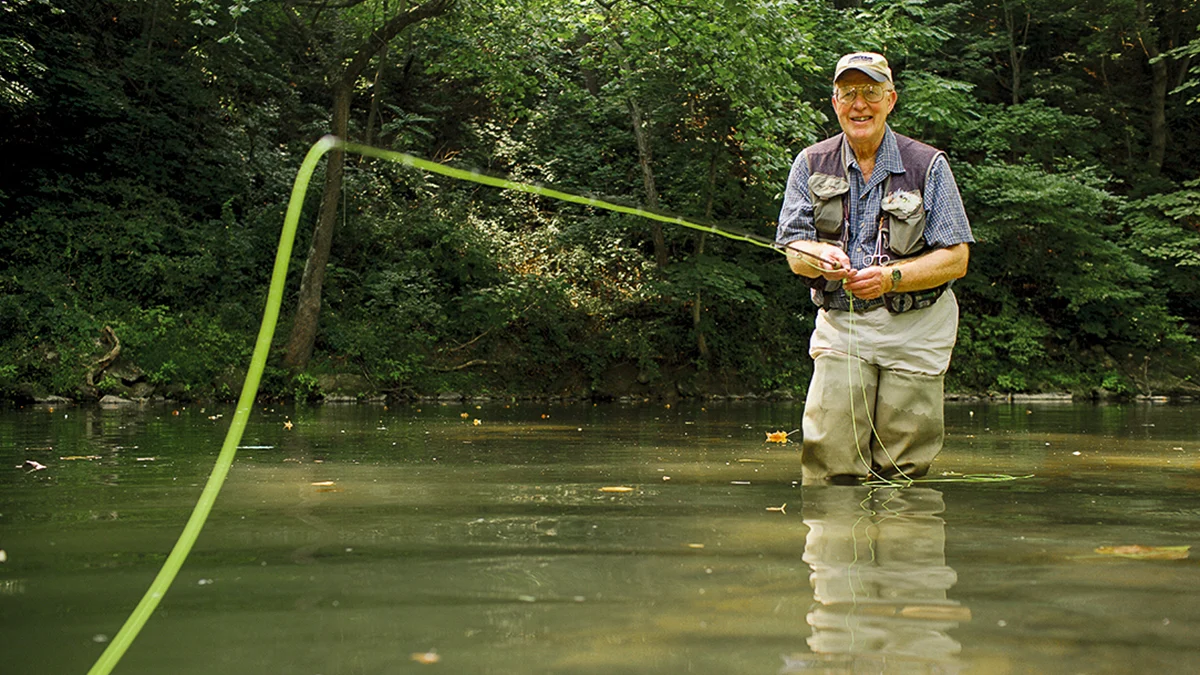
While kayaking is the most popular way to experience the Clinch, the river offers multiple ways to engage with its environment.
Anglers will find some of the best smallmouth bass fishing in the region, supported by the river’s clean water and complex habitat structure.
Meanwhile, more adventurous visitors sometimes explore shallow sections for snorkeling, where visibility can reveal:
This multi-layered experience is part of what makes Clinch River kayaking so memorable—it is not just a surface-level journey.
Outfitters and Access Points
Though it feels wild and remote, the Clinch is never far from the region’s welcoming communities. Spanning from Cedar Bluff in Tazewell County to the Tennessee state line, it offers over 100 miles of navigable water with 9 public boat ramps for easy access.
Several outfitters support safe and enjoyable trips along the river, including:
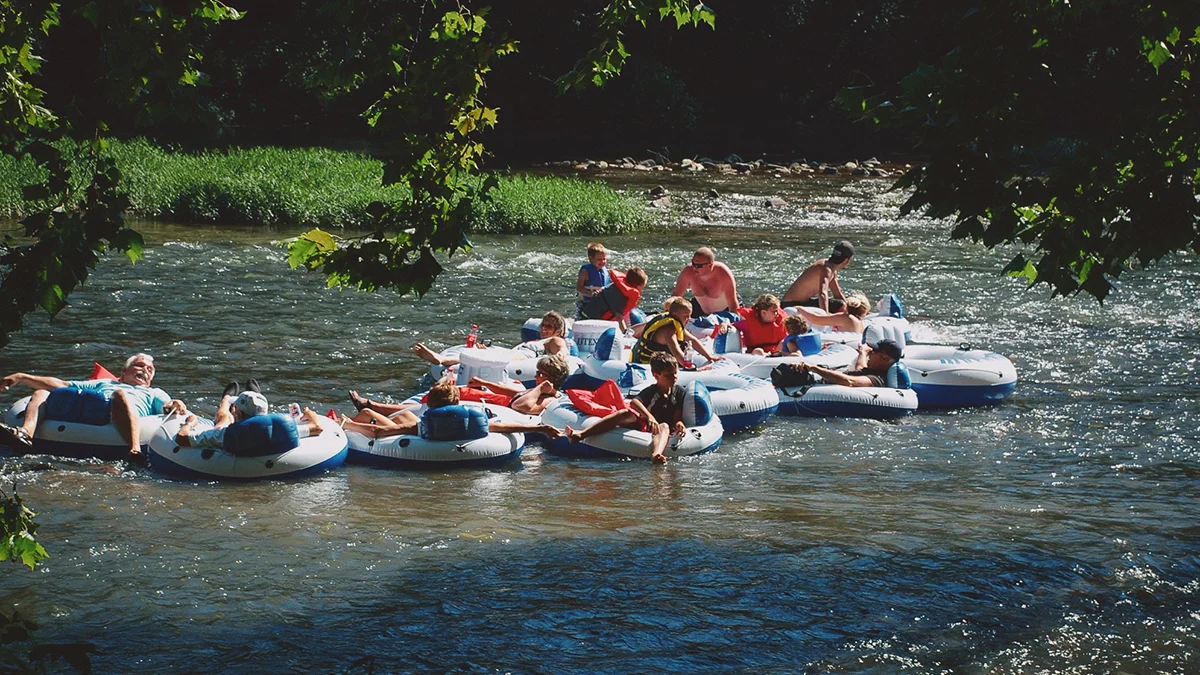
These providers offer rentals, shuttle services, and guided trips for visitors who prefer a structured experience. Many paddlers also choose to bring their own kayaks or canoes, especially for half-day or full-day self-guided trips.
The Virginia Department of Wildlife Resources helps identify safe launch and take-out points, ensuring paddlers can plan routes based on water conditions and trip length.
Planning Your Clinch River Kayaking Trip
To make the most of your experience, a little preparation goes a long way. Before launching, keep these tips in mind:
While the Clinch is generally calm, conditions can vary with rainfall, so awareness and preparation are key to a safe and enjoyable trip.
A River That Tells a Bigger Story
Beyond recreation, Clinch River kayaking is about connection—to water, to land, and to conservation.
This river tells a story of resilience and ecological importance. Flowing through Southwest Virginia, it supports one of the most diverse freshwater ecosystems in the world while still offering accessible recreation for visitors of all experience levels.
It is a rare balance: a river that is both wild and welcoming.
In the Heart of Appalachia, Clinch River kayaking stands out as one of the most meaningful outdoor experiences available. It is a place where adventure meets accessibility, beauty meets biodiversity, and recreation meets conservation.
Whether you are floating quietly past limestone cliffs, spotting wildlife along the banks, or discovering polished “river treasure” on a gravel bar, the Clinch River leaves a lasting impression.
It is more than a paddling trip. It is one of the defining outdoor experiences of the Best of Virginia’s West. And once you’ve been on the water, you understand why so many return again and again.